Beneficially using waste | Tate & Lyle

Beneficially using waste

Managing our waste with purpose

The plant-based ingredients Tate & Lyle manufactures generate a significant amount of organic by-products and waste.  Several of by-products, such as CORNGOLD® Corn Gluten Feed, have commercial value.  We aim to ensure by-products and waste generated that do not have commercial value are used beneficially including, but not limited to land application, recycling, composting or recovery including energy recovery. 


Following the acquisition of CP Kelco in November 2024, we focused on integrating their sustainability programs. Waste management was an area that both companies had a similar approach and focus on circularity.  The CP Kelco sites significantly contributed to the increase in the beneficial use of waste

2025 progress against our beneficial use of waste target

✓ 98% of our waste was beneficially used (target: 100% by 2030). 1


1 Baseline of 31 December 2019.
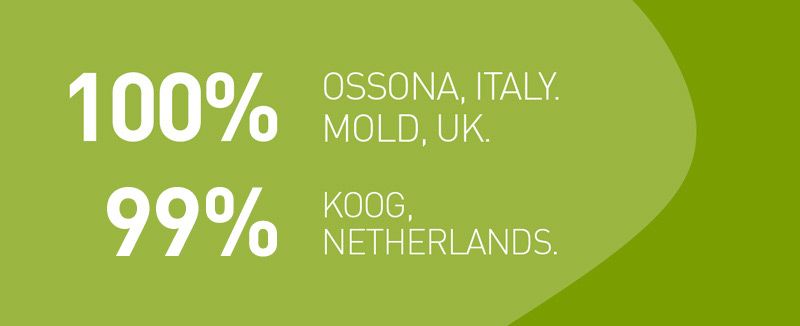
 

Top sites for beneficial use of waste
Sites beneficially using waste

Making strides in our beneficial use of waste
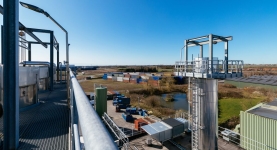
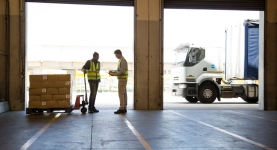
Skensved exterior
Our pectin plant in Lille Skensved, Denmark, has significantly increased the quantity of organic waste that is beneficially used. The site sends several shipments of organic residue every day to a local biogas production facility, where it is converted into renewable energy. As well as the single largest source of waste at Lille Skensved, this organic residue represents more than half of all the waste that Tate & Lyle generates globally that is now beneficially used.
Kya Sands Facility
Our Kya Sands blending facility in South Africa has increased its beneficial use of waste from 8% to 82% in just one year due to a partnership with a local supplier that has enabled the team to improve the way it handles, segregates and recycles waste. The move has also helped reduce operating costs, demonstrating how the right partnerships, better management practices and an all-team commitment can help deliver significant environmental and operational benefits
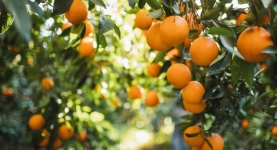
Orange trees
All the waste generated by our pectin production facilities, Limeira and Matao in Brazil is beneficially used, for animal feed, fertiliser for local farms or in citrus oil applications. The animal feed, which is a by-product of the pectin production process which uses citrus peel as its raw material, provides palatable and nutritious feed for all ruminant species, supporting the diet of more than 35,000 animals each year. The organic mineral fertiliser is rich in nitrogen and is used on local farms, including those growing citrus fruits, which are part of the supply chain for our pectin production.
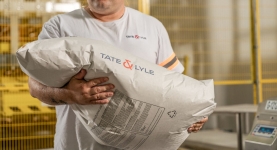
Tate & Lyle Packaging
Operations and procurement teams partnered with suppliers to improve our packaging and reduce waste, including:
• Our Boleráz, Slovakia, and Koog, the Netherlands, sites reduced the amount of plastic used in shipping our products. This initiative led to the elimination of over 35,000kg of plastic film across both sites, enhanced the stability of our pallets, ensuring safer and more efficient transportation and resulted in cost savings.
• Our Lille Skensved site in Denmark, changed to new micron-film packaging for use in wrapping pallets. This film contains 58% recycled content, helping reduce plastic use per pallet by 54% and lowering costs by 42% per pallet. The higher recycled content not only benefited the site, but also supported our customers’ goals to reduce their waste generation and carbon footprint of the products they procure from Tate & Lyle.
Learn about our other sustainability commitments for 2030: